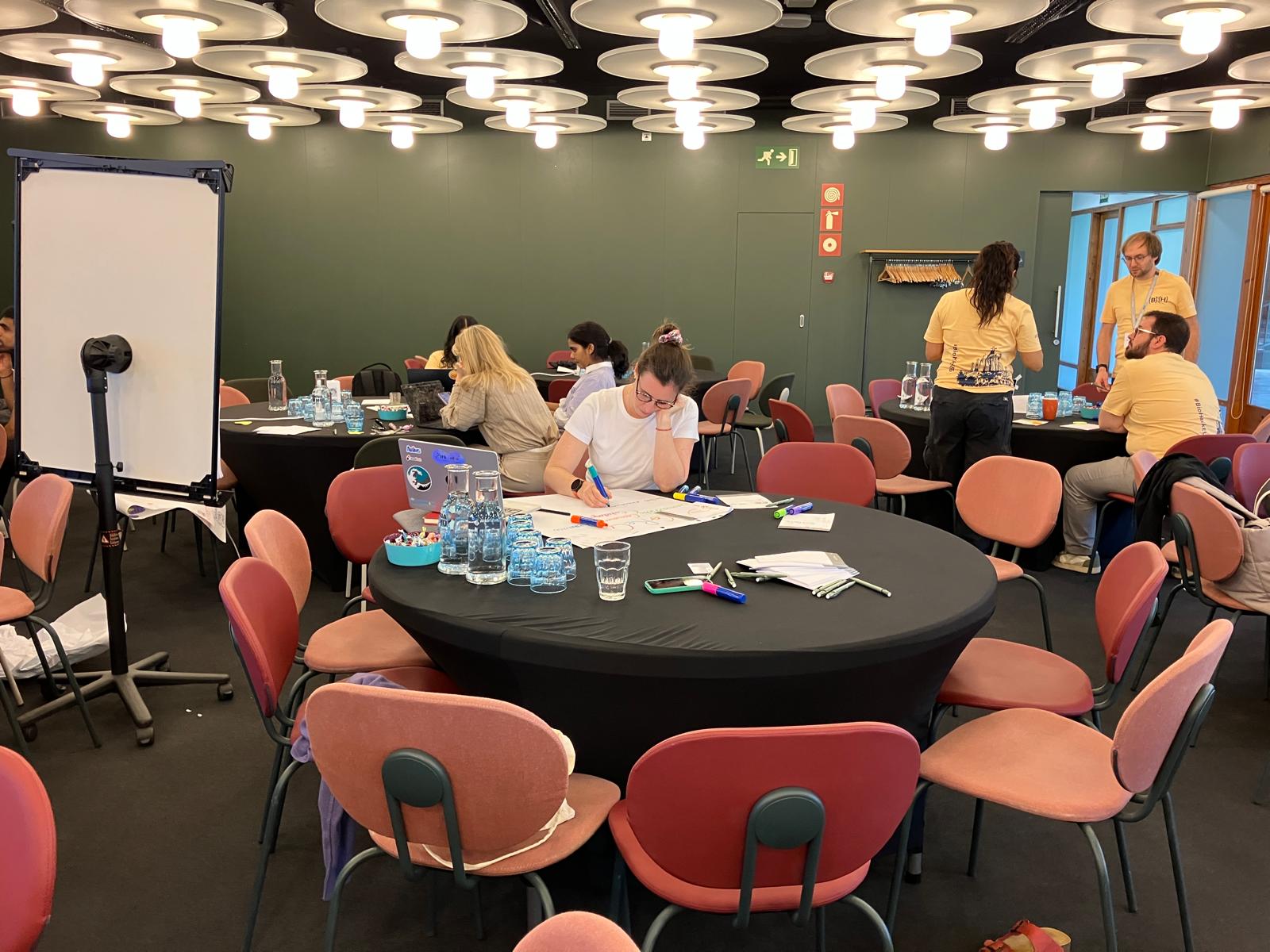
For this latest edition of BioHackathon Europe, organised by ELIXIR Europe, participants and the ELIXIR France delegation gathered from 9 to 13 November 2026 at the Belloch Campus, near Barcelona, Spain.This international collaborative event brought together around 200 researchers, bioinformaticians and developers, both in person and remotely, for an intensive week of collaborative hacking dedicated to bioinformatics challenges. The projects centred on the needs of ELIXIR’s Platforms, Communities and Focus Groups, with a particular emphasis on the FAIR principles (Findable, Accessible, Interoperable, Reusable), identifiers, metadata standards, ontologies and metadata catalogues.
Every year, this BioHackathon enables projects to drive new developments (such as integrating prototypes, proof-of-concepts or preliminary production-ready versions), test new versions, gather feedback on new features, reach new users and receive expert advice from various fields. It is also an ideal opportunity to expand one’s network and develop skills within the European bioinformatics community, as well as to witness the emergence of new ideas that will undoubtedly give rise to future projects!
This year, our teams submitted eight projects, six of which were selected from among the thirty or so projects in the official selection, demonstrating the strong commitment of the teams at the French node. Ten members of ELIXIR France took part in the event, seven of whom were in Barcelona and three joined remotely.
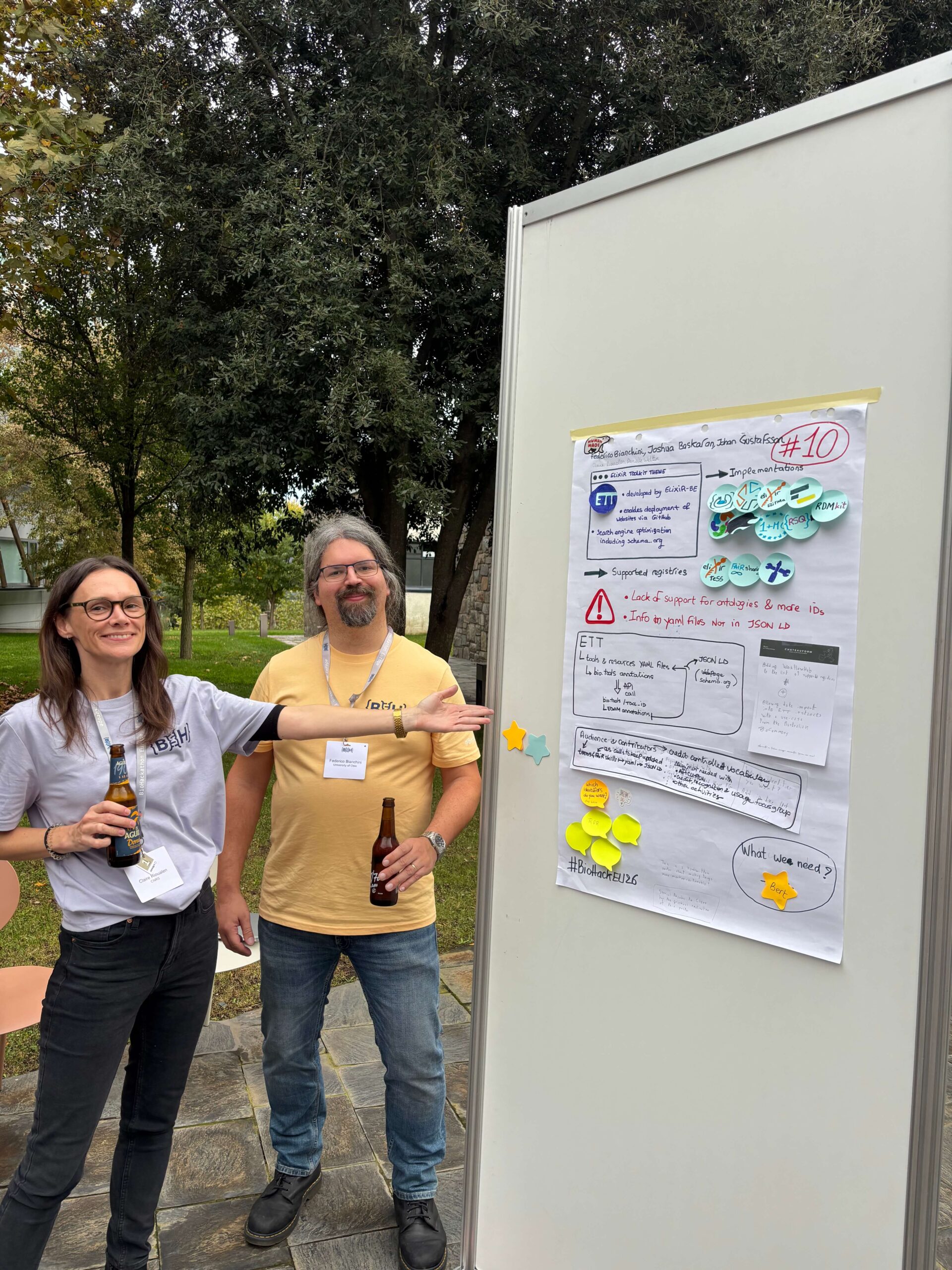
- Project 6 – Implementing Credit and Recognition for Research Outputs Beyond Publications in ELIXIR, by Hervé Menager
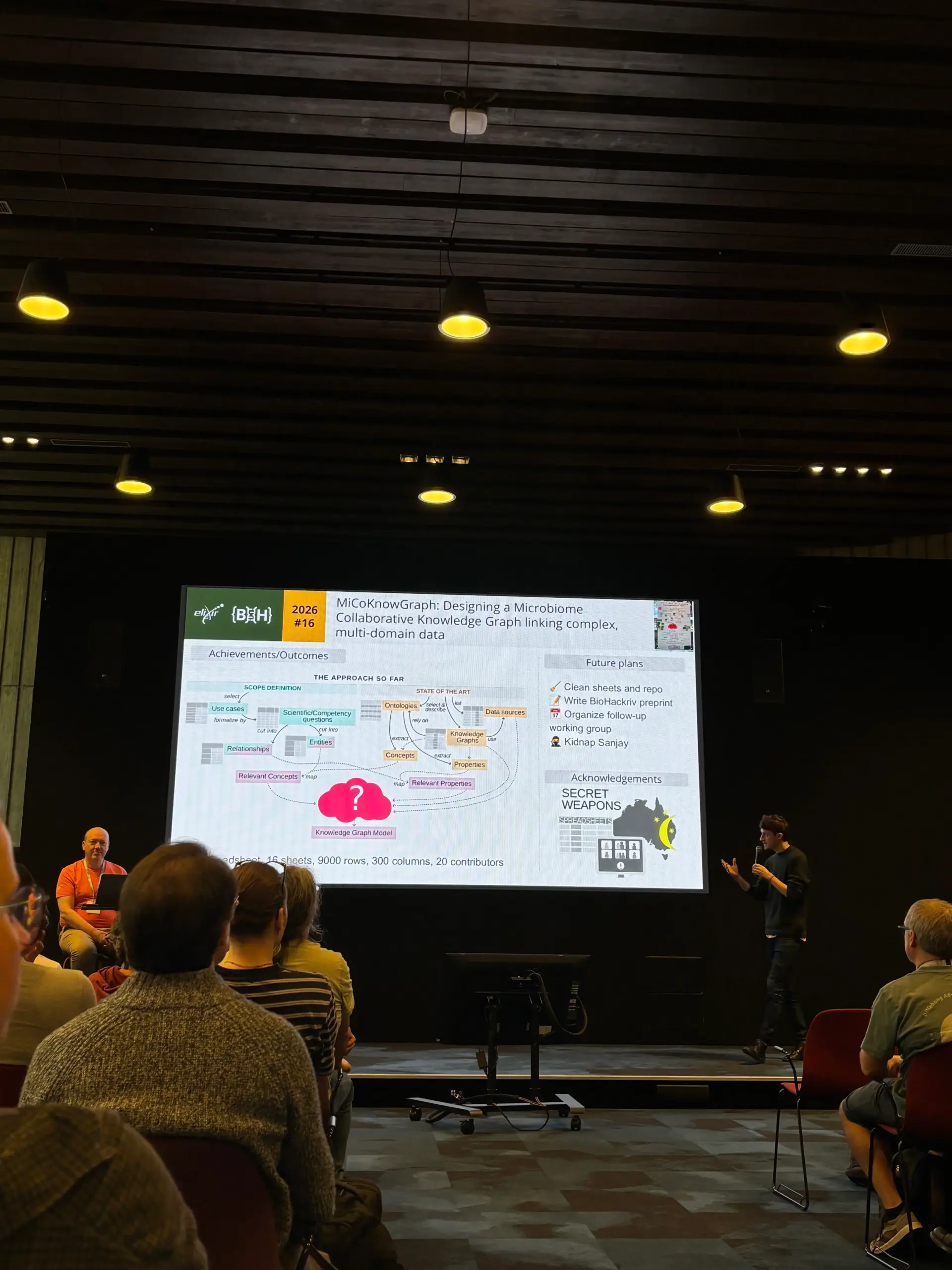
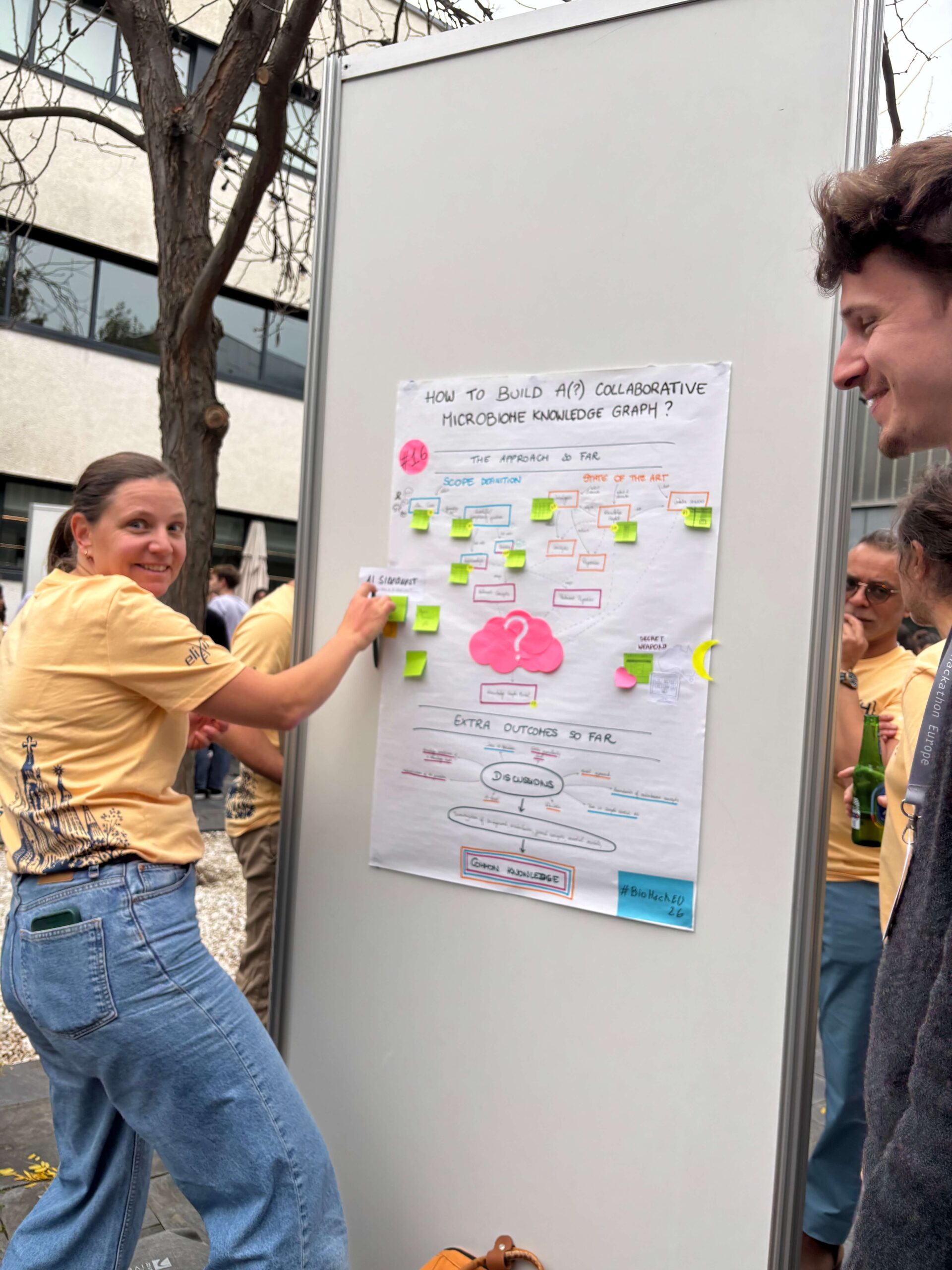
- Project 16 – MiCoKnowGraph: Designing a Microbiome Collaborative Knowledge Graph linking complex, multi-domain data, by Bérénice Batut and Brieuc Quéméneur
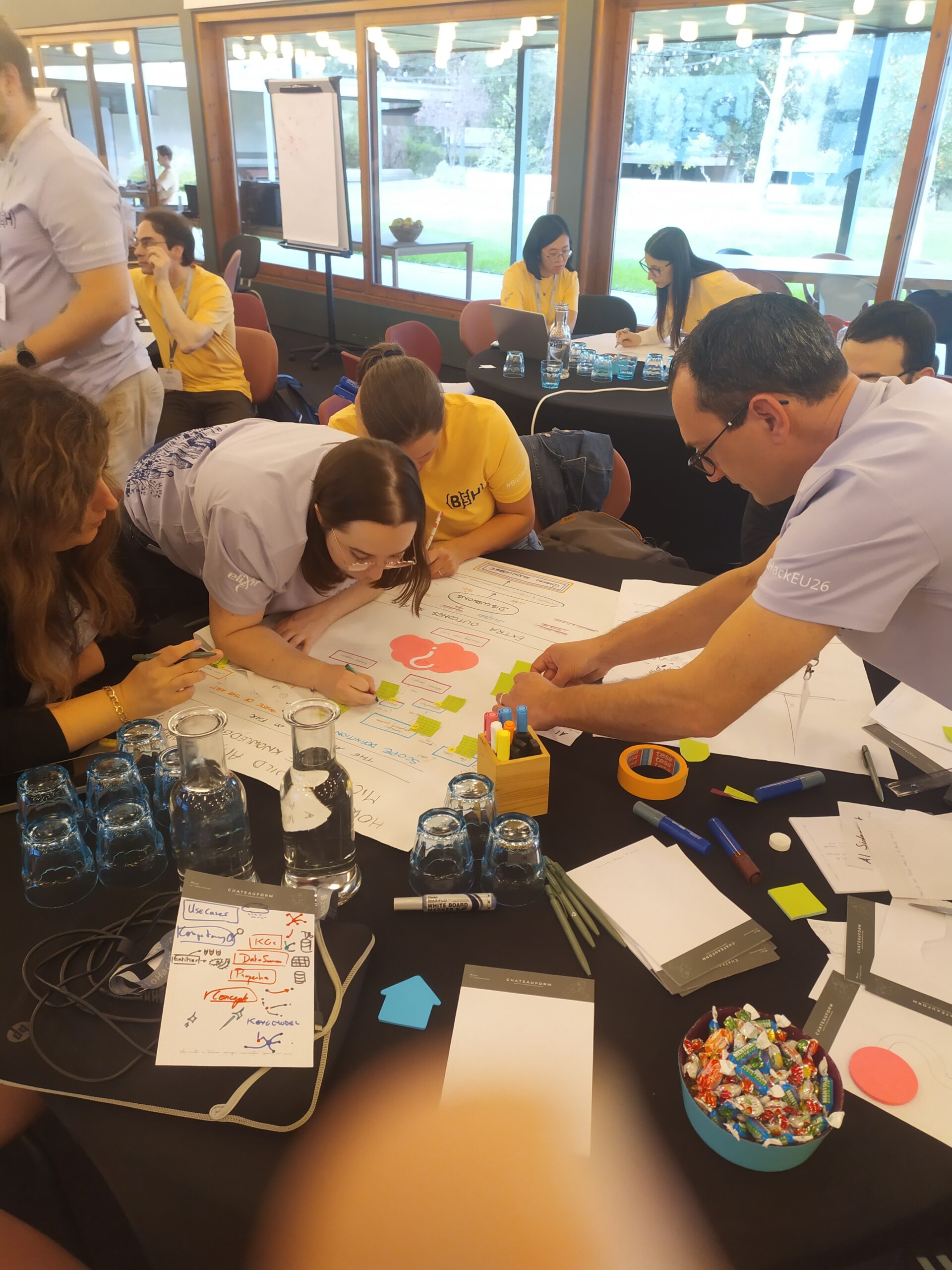
MiCoKnowGraph aims to bring together multi-domain microbiome data within a collaborative knowledge graph. The project’s hybrid approach (Barcelona, Australian outpost, remote working), together with the diversity of backgrounds, has fostered a rich exchange of expertise to align our knowledge, define the scope and use cases, review the state of the art, and identify the modelling choices to be made for the graph.
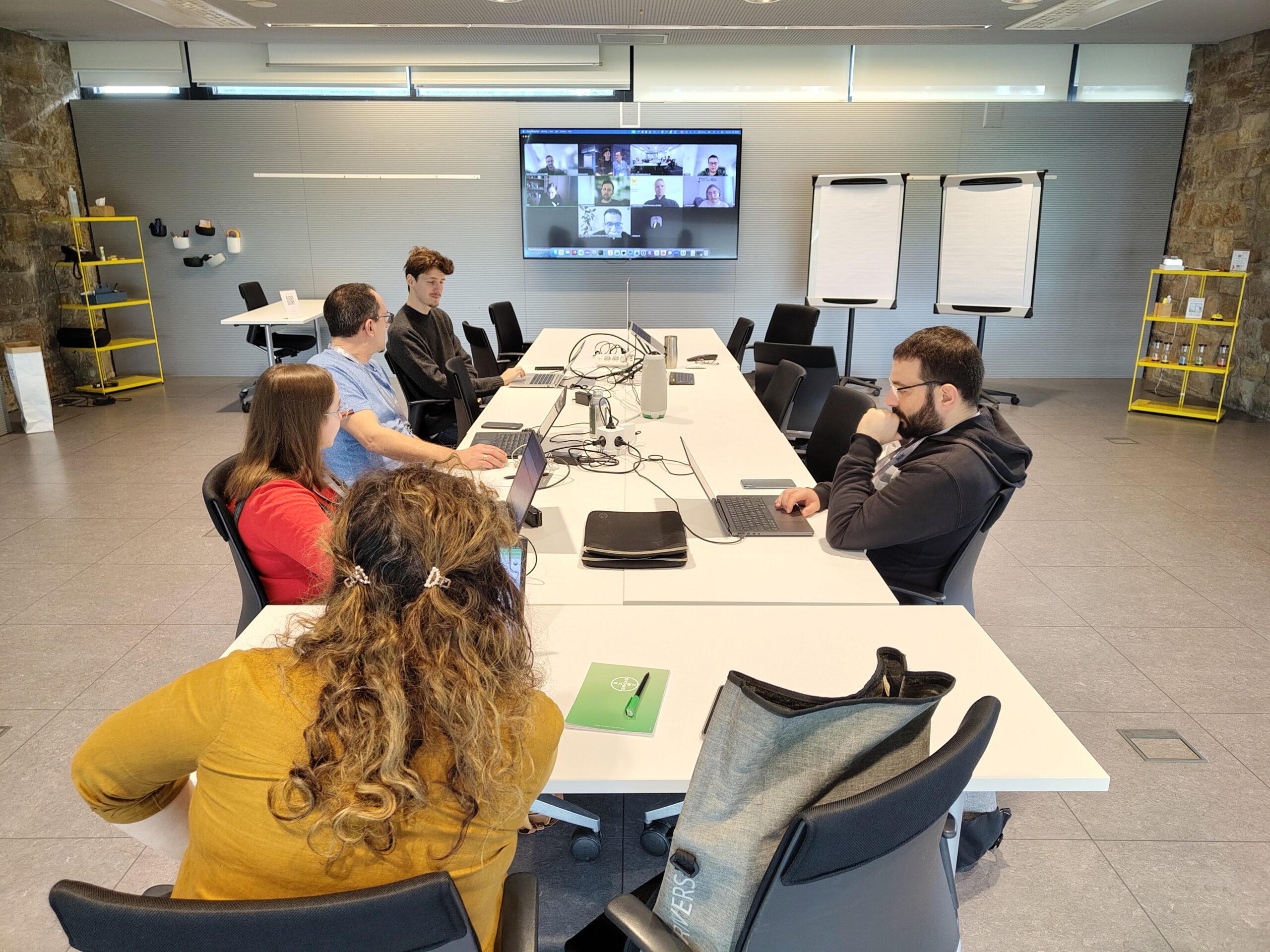
- Project 18 – Condeessi: a Conda-EESSI transpiler for increased software stack portability, performance and resilience, by Mateo Boudet
Developing the transpiler proved more complex than anticipated due to differences between the Conda and Easybuild formats, and a lack of prior literature. We did not achieve our intended objective, but the project has made good progress despite the small team, and I intend to continue working on it.
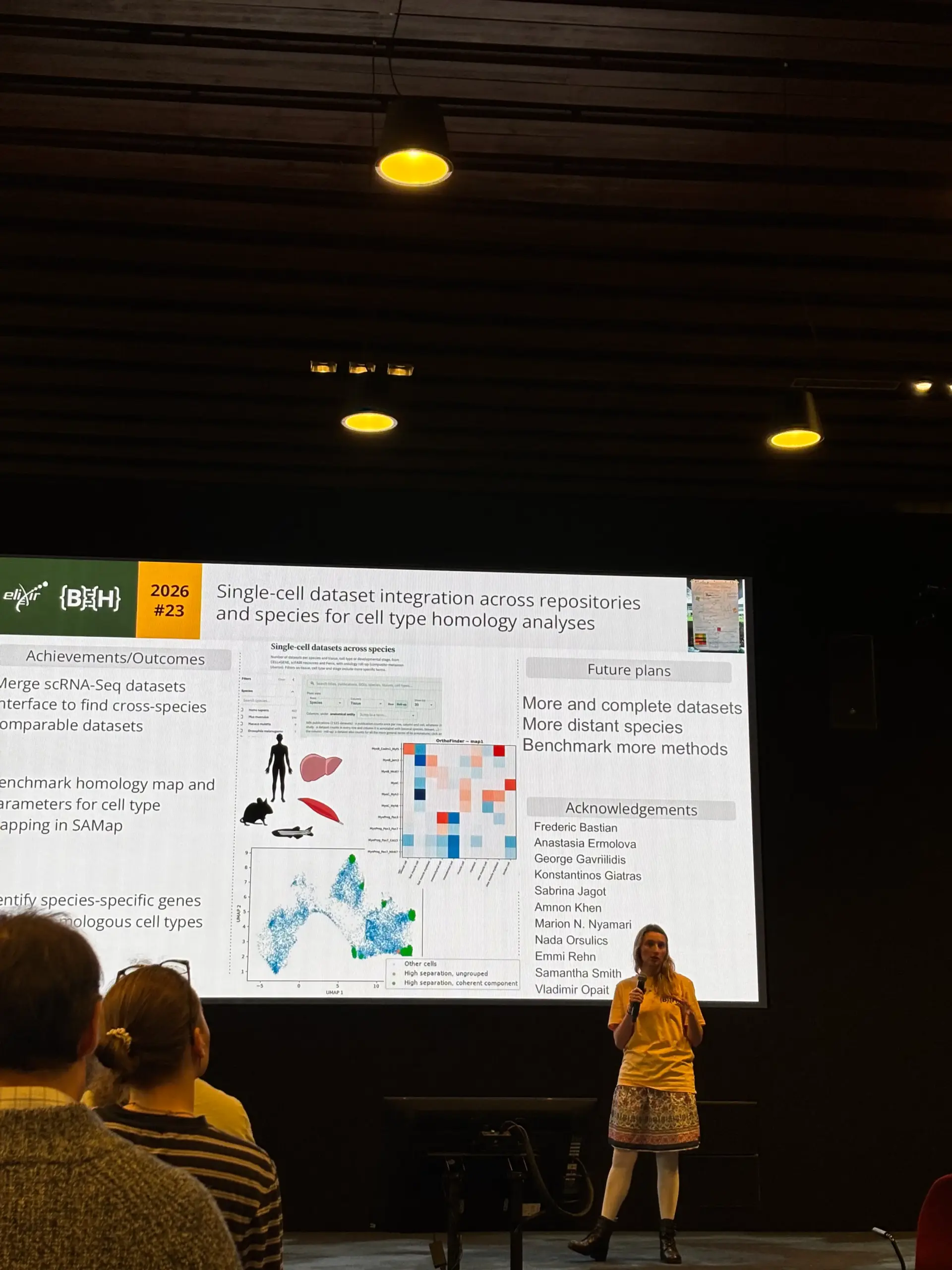
- Project 23 – Integration of single-cell datasets from different repositories and relating to different species, for the purpose of analysing the homology of cell types, by Sabrina Jagot
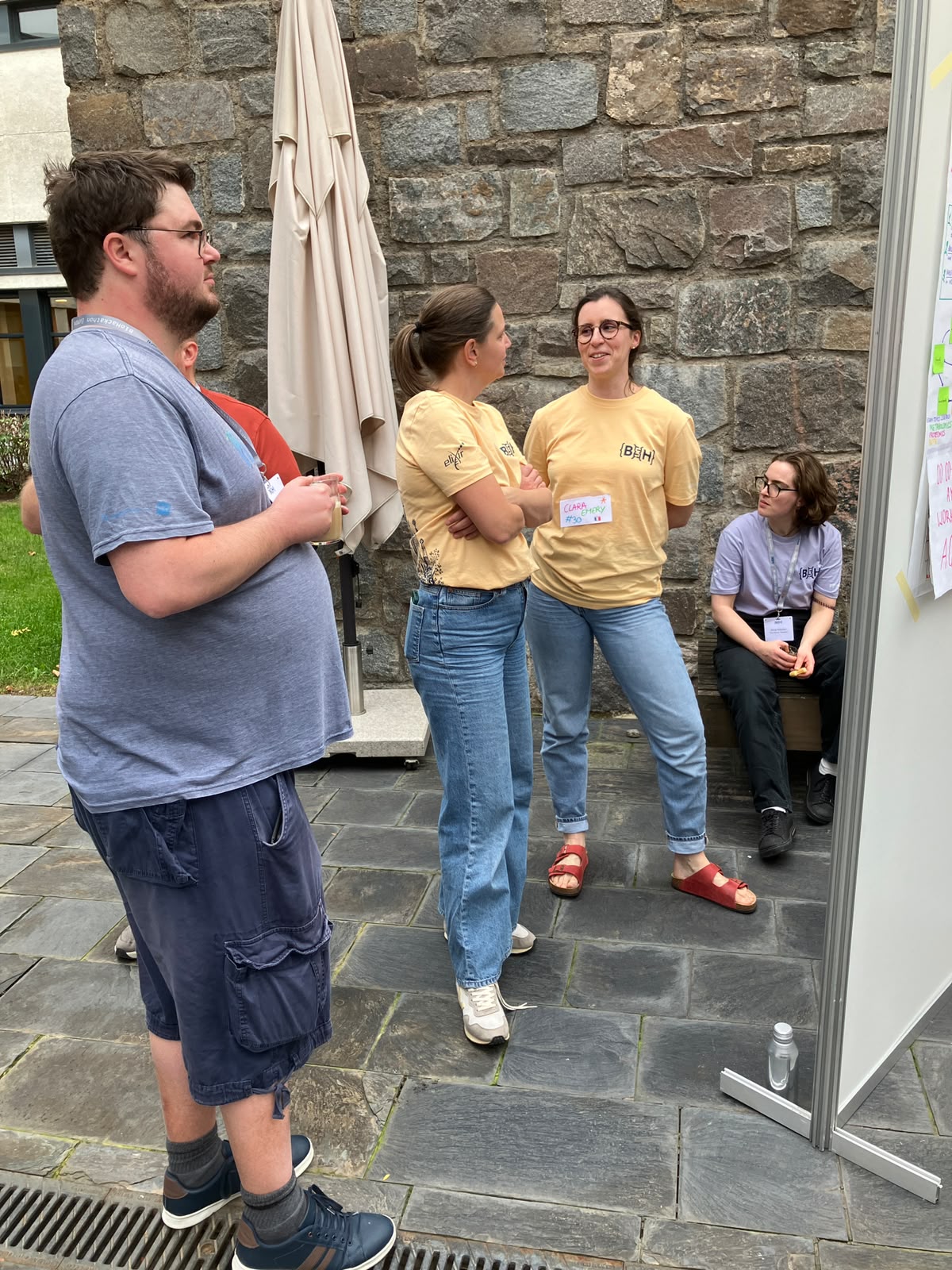
- Project 30 – BiCoReCa (Biodiversity Community Resource Catalogue): Towards Centralised Curation and Integration, by Clara Emery and Solenne Correard (remotely)
BiCoReCa is a centralised catalogue of resources (tools, workflows, etc.) for the biodiversity community. It is based on the MiCoReCa scripts, and we have created the general CoReCa repository, which enables other communities to create their own. During the hackathon, the team identified 70 new EDAM terms, created a dedicated biodiversity keyword file, began integrating the LifeWatch ERIC and PNDB catalogues, and then tested and improved the automatic generation processes, accompanied by a guide for communities.
You can find all the projects on the Biohackathon2026 website.
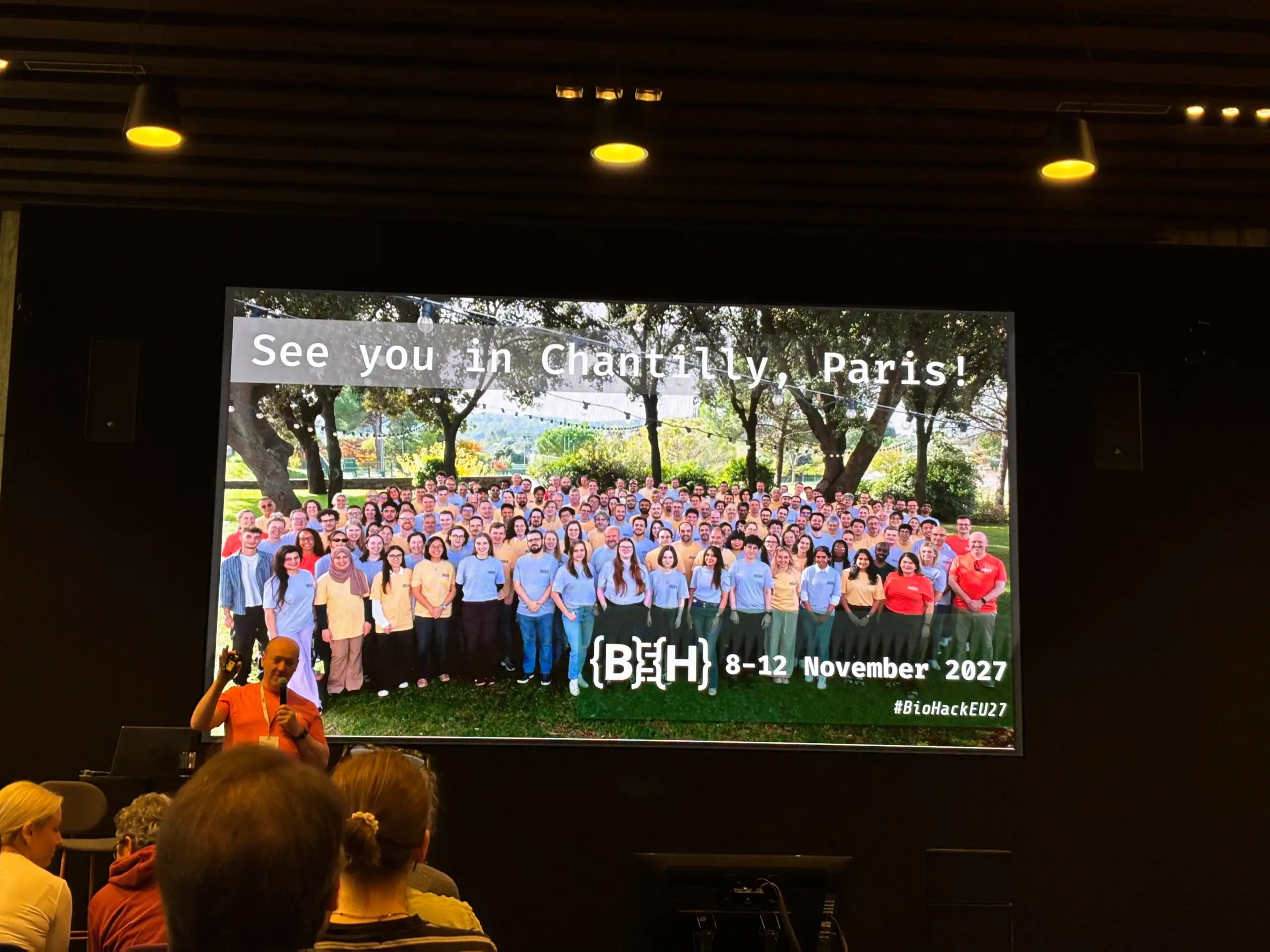
The next BioHackathon Europe will take place in Chantilly (Paris), France, from 8 to 12 November 2027!