
When modern biology generates massive amounts of data, high-performance computing infrastructures are needed to process it. But above all, teams capable of managing it are essential. That is the challenge taken on by twelve engineers from the CNRS, INRAE, Inserm, and Sorbonne University. Working together remotely and alongside their local duties, they built a distributed infrastructure unique in France: the IFB Core Cluster. It is based on a simple principle of resource sharing: developments from the Core benefit the regions, and those from the regions feed back into the Core.
This exchange of expertise has led to the provision of more than 700 bioinformatics tools, which are collectively maintained and designed for all types of users. This pooling of resources is particularly evident in the UseGalaxy.fr platform, which is used by a large community. It is, in fact, on this common foundation that major public health projects have been able to be built. For example: the monitoring of Covid-19 variants via the EMERGEN platform, or antibiotic resistance via ABRomics. Eight regional sites have since adopted the IFB Core-Cluster standards, and the initiative has even spread as far as Côte d’Ivoire. This proves that collective intelligence goes beyond individual efforts.
Sources : CNRS et CNRS Biologie
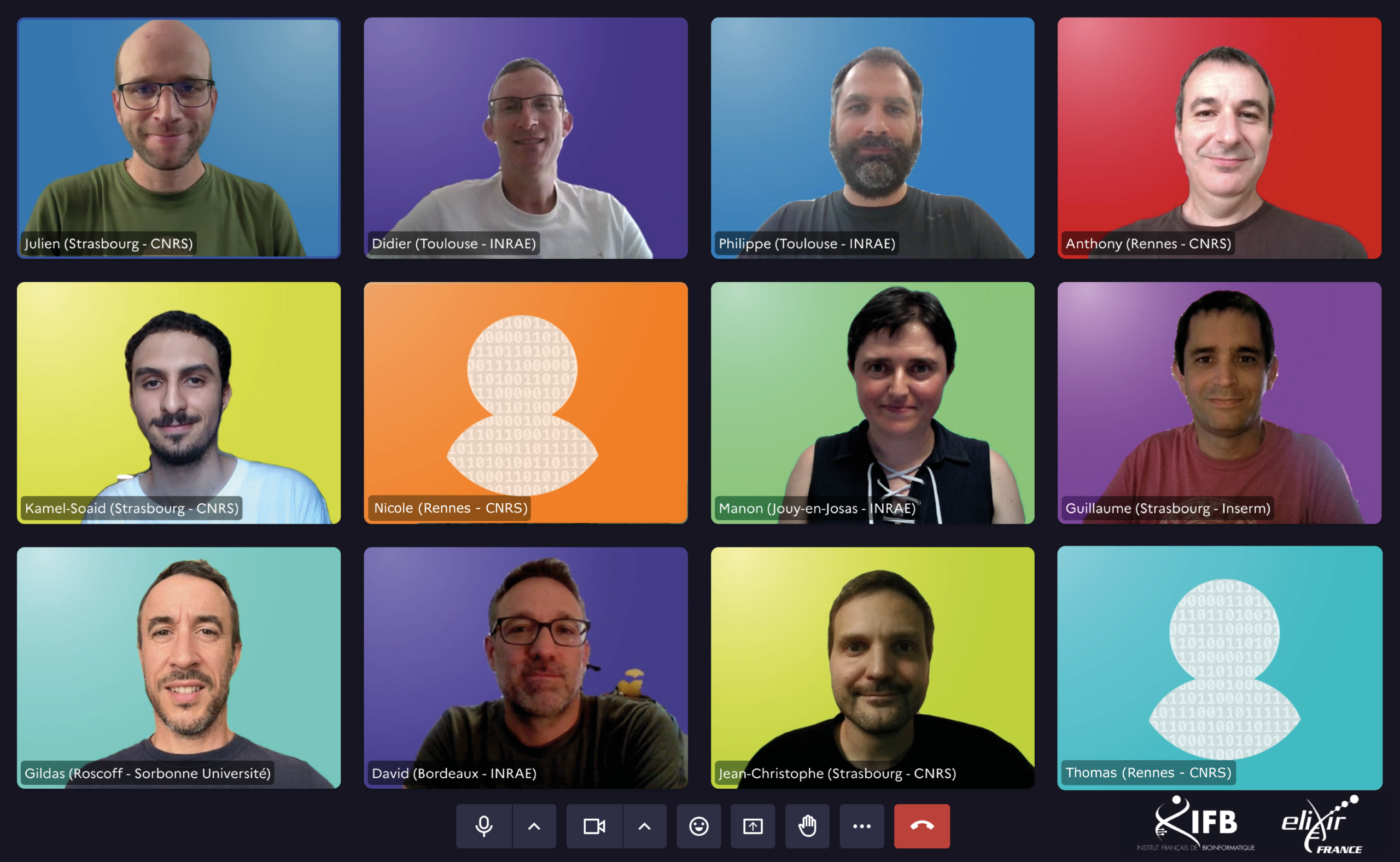
Credit: French Institute of Bioinformatics
Winners of this collective award:
- David Benaben, Research Engineer at INRAE
- Philippe Bordron, Research Engineer at INRAE
- Anthony Bretaudeau, CNRS research engineer
- Thomas Chaussepied, CNRS research engineer
- Nicole Charrière, Design Engineer at CNRS
- Manon Connault, Design Engineer at INRAE
- Jean-Christophe Haessig, CNRS research engineer
- Didier Laborie, Design Engineer at INRAE
- Gildas Le Corguillé, research engineer at Sorbonne University
- Julien Seiler, CNRS research engineer
- Guillaume Seith, Inserm research engineer
- Kamel Soaid Ferrahi, CNRS research engineer