
Mutualised core of the French Institute of Bioinformatics
The IFB-core support and research unit (UAR 3601) is the coordinating unit for the French Institute of Bioinformatics/ELIXIR-FRANCE (IFB/ELIXIR-FR). It acts as the interface between the IFB platform network, its supervisory bodies, and the national and international bioinformatics community, particularly the European ELIXIR network.
IFB-core provides scientific, technical, and administrative coordination for the infrastructure. The unit manages the administrative needs of IFB/ELIXIR-FR, coordinates the national network of bioinformatics computing and storage infrastructures, structures the pooling of tools, services, and training for the community, and represents France within ELIXIR.
In addition, IFB-core coordinates a national scientific programme based on IFB’s major activities (computing and storage, software development, open science and interoperability), as well as scientific themes such as health, biodiversity, agronomy and microbiology.
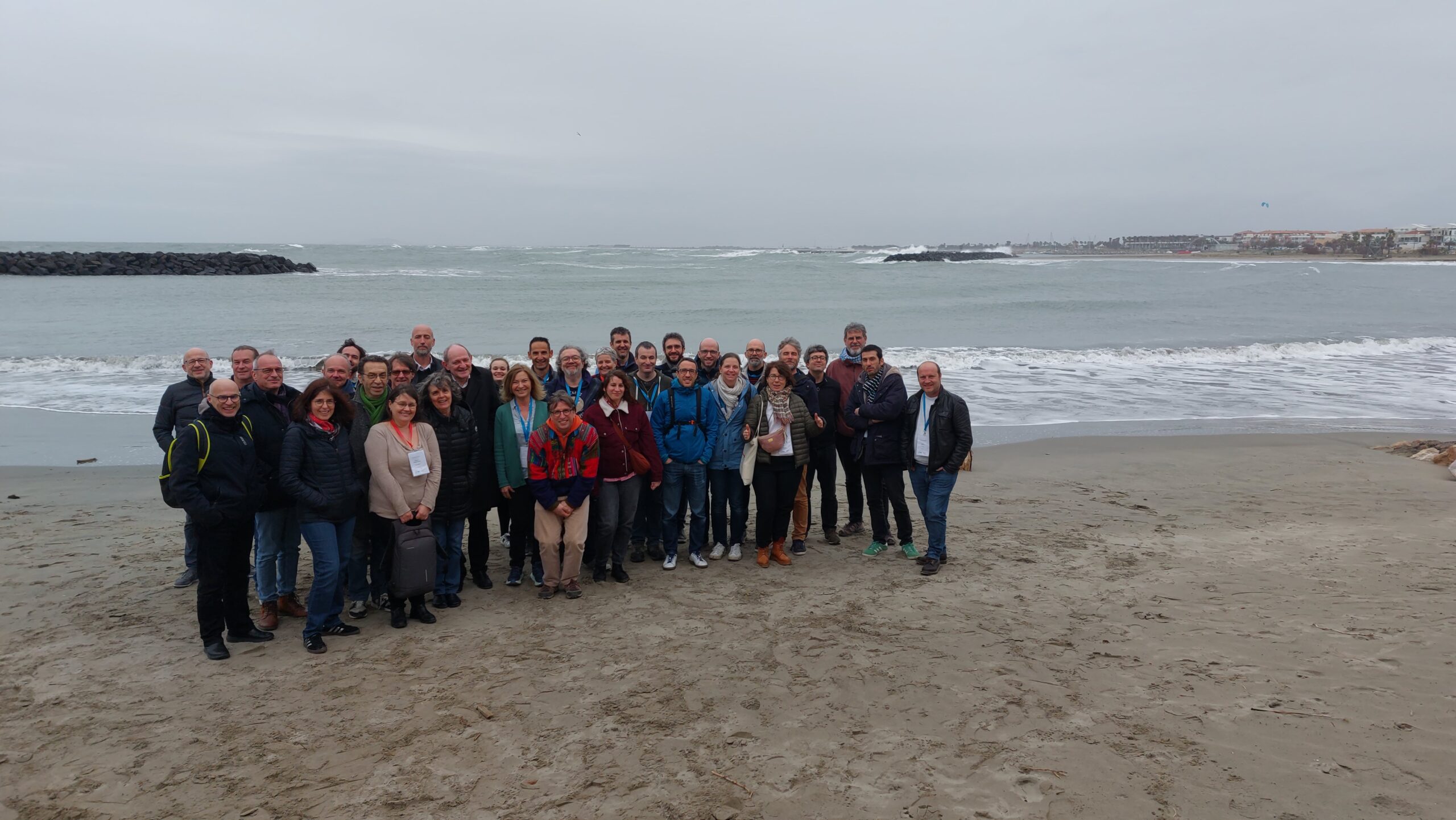
IFB-core is organised into 11 operational teams and 1 administrative and support team. The members of all these teams can be found in the unit’s photo directory (at the top of the page).
Organisation structure
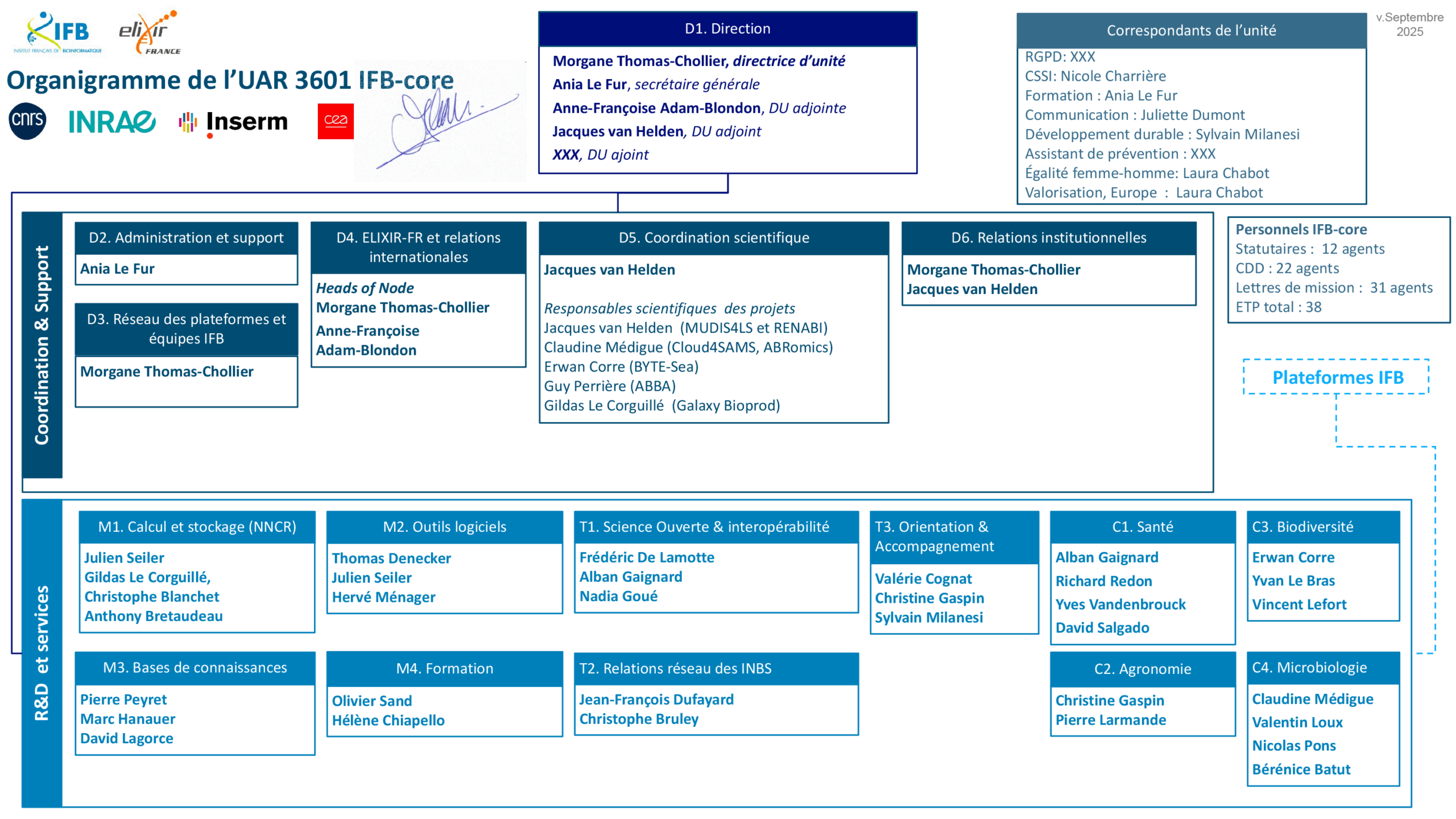
IFB-core serves IFB's two main missions:
> Research support: IFB-core provides digital services and infrastructure to the community of researchers and engineers in the life and health sciences. In addition to platform services, the unit coordinates a decentralised national infrastructure (NNCR – National Network of Computing Resources), comprising computing and storage equipment and software environments. It also coordinates training services at national level.
> R&D programme: IFB-core is conducting an ambitious, cross-disciplinary and international research and development programme. This programme aims to develop the components needed to exploit biological data, by establishing a framework for the management of scientific data in open science.
A scientific programme led and implemented by IFB-core
Within the IFB’s research and development programme, and independently of certain projects carried out individually by the platforms, the Action Coordination Committee (CoCoA) of the IFB-core unit oversees and implements an ambitious, cross-disciplinary and international programme. This is geared towards developing the components needed to exploit biological data (regardless of the field of application and at every stage of their life cycle) through the implementation of a modular software environment and specialised tools for managing and analysing omic, imaging and structural data.
These developments are in line with the FAIR principles (Findable, Accessible, Interoperable, Reusable) that govern the management of scientific data in open science.
A coordination and support mission
To support the development of its activities, IFB-core has set up a dedicated administration and support team. It is organised around five areas:
- administrative, financial and human resources management;
- contracts and partnerships;
- information system security;
- communication;
- document management.
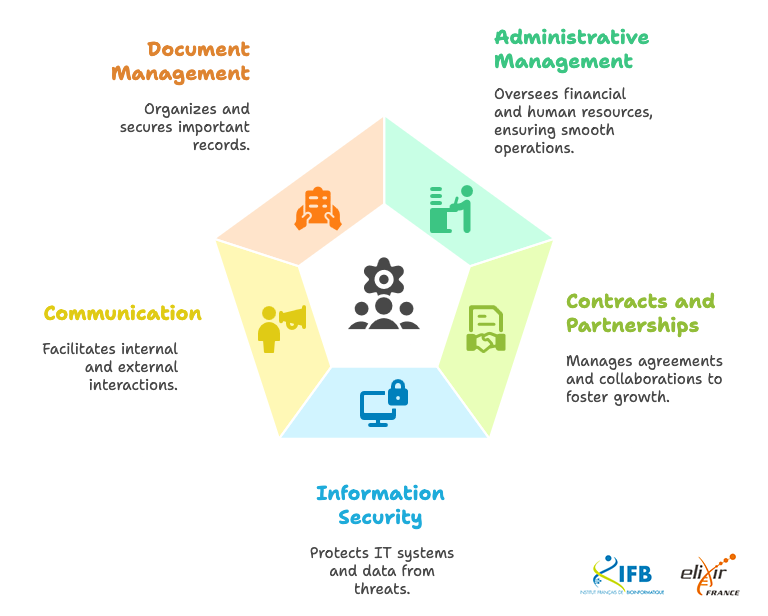
This team performs key tasks such as administrative and financial management, personnel management, budget monitoring for IFB-core and national and European projects coordinated by IFB, internal and external communication for IFB, management and security of IT equipment, and implementation and maintenance of information sharing tools.
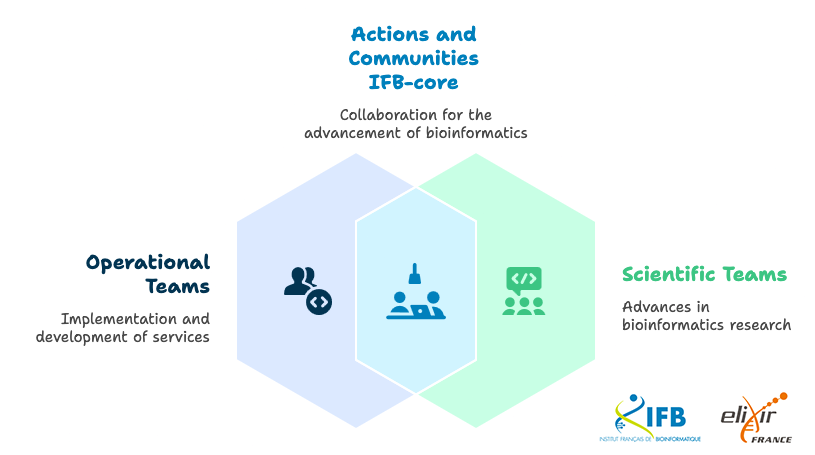
Operational and scientific teams supporting the scientific programme
The 11 operational teams implement and participate in the scientific programme through IFB-core actions and communities and develop services for the bioinformatics community.
Scientific communities
The four IFB communities are divided into thematic teams:
- C1.Health ;
- C2.Agronomy ;
- C3.Biodiversity ;
- C4.Microbiology.
Their aim is to identify and develop important resources and services for research at national and international level.
These services rely on collaborations with data-producing INBSs and Earth System infrastructures.
The IFB communities thus act both as contributors to the IFB’s resources and services, and as intermediaries for life science researchers in the relevant fields.
As ELIXIR-FR, IFB also acts as a link between each French community and the ELIXIR platforms and communities.
ELIXIR enables Europe-wide collaboration on data and tool interoperability and offers opportunities for joint funding.
The added value of the national infrastructure and its international leverage effect has been widely recognised by research organisations, which have asked IFB to lead several bioinformatics development projects as part of the targeted calls for proposals PEPR (Priority Research Programmes and Equipment), France 2030 (formerly the Programmes d’Investissements d’Avenir – PIA) and PPR (Programmes Prioritaires de Recherche) calls for proposals.
The MuDiS4LS programme includes implementation studies specifically dedicated to these communities, in order to ensure that the deliverables of the technological Work Packages (WPs) meet the needs of researchers in these life science fields, with a cross-cutting focus on FAIRisation, integration, analysis and data sharing.
IFB-core operational teams
The IFB coordination unit offers shared services to support researchers, healthcare professionals, institutions and students in the management, analysis and exploitation of biological data, through its seven teams:
- M1 – Computing and storage (NNCR)
The IFB is deploying a national computing and cloud computing infrastructure designed to meet growing processing power and storage needs. This distributed technical platform enables large-scale bioinformatic analyses to be hosted and run, while ensuring accessibility and performance. It supports numerous strategic national projects, particularly in the fields of genomics and epidemiological surveillance.
The coordinating unit manages and operates a decentralised national infrastructure (the NNCR – National Network of Computing Resources), which consists of computing and storage equipment and software environments that provide support to users.
- M2 – Software tools
To take full advantage of these resources, IFB develops, maintains and distributes bioinformatics software and tools, while promoting open, reproducible and interoperable development practices. In this way, it helps to improve the quality of analyses and the sustainability of the solutions made available to scientific communities.
- M3 – Knowledge bases
The IFB is also involved in structuring, curating and providing access to expert knowledge bases covering areas ranging from rare diseases to immunogenetics. These resources, some of which are certified at European or international level, play a fundamental role in enriching data and ensuring its long-term reuse.
- M4 – Training
Training is another key pillar of IFB’s work. The coordinating unit brings together training services at the national level in response to the evolving needs of scientific communities in bioinformatics and data management. Through its national catalogue and initiatives led by its regional platforms, it offers training courses tailored to all levels, from novice researchers to experienced bioinformaticians. The IFB also participates in the development of skills frameworks and the professionalisation of the bioinformatics sector in France.
- T1 – Open science & interoperability
Supporting the transition to open science is one of IFB’s top priorities. The infrastructure works to facilitate the application of FAIR principles (Findable, Accessible, Interoperable, Reusable) at all stages of data production and processing. To this end, it offers data management tools, best practice guides and operational support to research teams.
- T2 – INBS network relations
The IFB is also part of a broader ecosystem, working closely with other national biology and health infrastructures. It promotes service interoperability, tool sharing and harmonisation of practices, thereby helping to build a coherent and sustainable environment for life sciences at national and European level.
- T3 – Orientation & support
Finally, IFB offers personalised support to guide users towards the services, tools or expertise best suited to their needs. Thanks to a one-stop shop and a structured catalogue, it facilitates access to all the skills available within the network, whether for one-off requests or large-scale collaborative projects.
The IFB-core team
Our team consists of around forty people, including five members of management.

Morgane Thomas-Chollier
IFB-core siège | Villejuif

Ania Le Fur
IFB-core siège | Villejuif

Anne-Françoise Adam-Blondon
URGI | Versailles
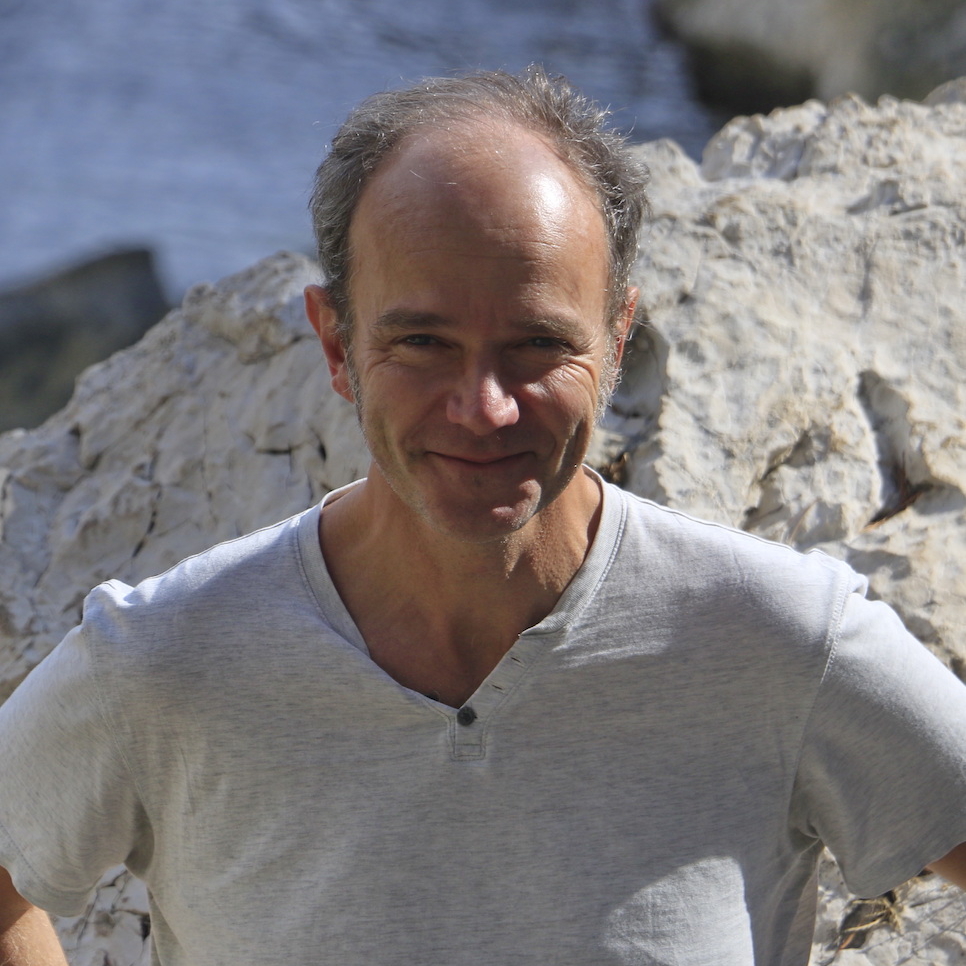
Jacques Van Helden
Antenne IFB-core | Marseille

Imane Akherraz
IFB-core siège | Vilejuif
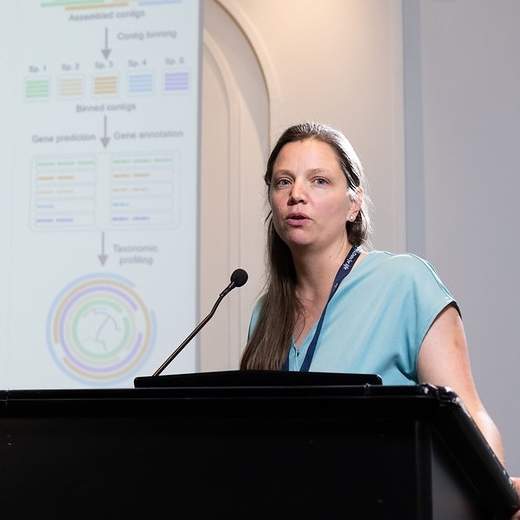
Bérénice Batut
AuBi | Clermont-Ferrand

Saliha Zenboudji-Beddek
South Green | Montpellier

David Benaben
INRAE | Bordeaux

Wael Ben Ammar
ABiMS | Roscoff

Christophe Blanchet
PRABI | Lyon

Philippe Bordron
Genotoul Bioinfo | Toulouse

Bryan Brancotte
Hub Pasteur | Paris

Anthony Bretaudeau
GenOuest | Rennes

Christophe Bruley
ProFi | Grenoble

Laura Chabot
IFB-core siège | Villejuif

Nicole Charrière
Genouest | Rennes

Thomas Chaussepied
GenOuest | Rennes

Hélène Chiapello
Migale | Jouy-en-Josas

Rachida Chibani
GenOuest | Rennes

Valérie Cognat
BiGEst | Strasbourg

Manon Connault
Migale | Jouy-en-Josas

Erwan Corre
ABiMS | Roscoff

Frédéric De Lamotte
INRAE | Toulouse

Stéphane Delmotte
LBBE | Lyon

Thomas Denecker
IPOP-UP | Paris

Amanda Dieuaide
Hub Pasteur | Paris
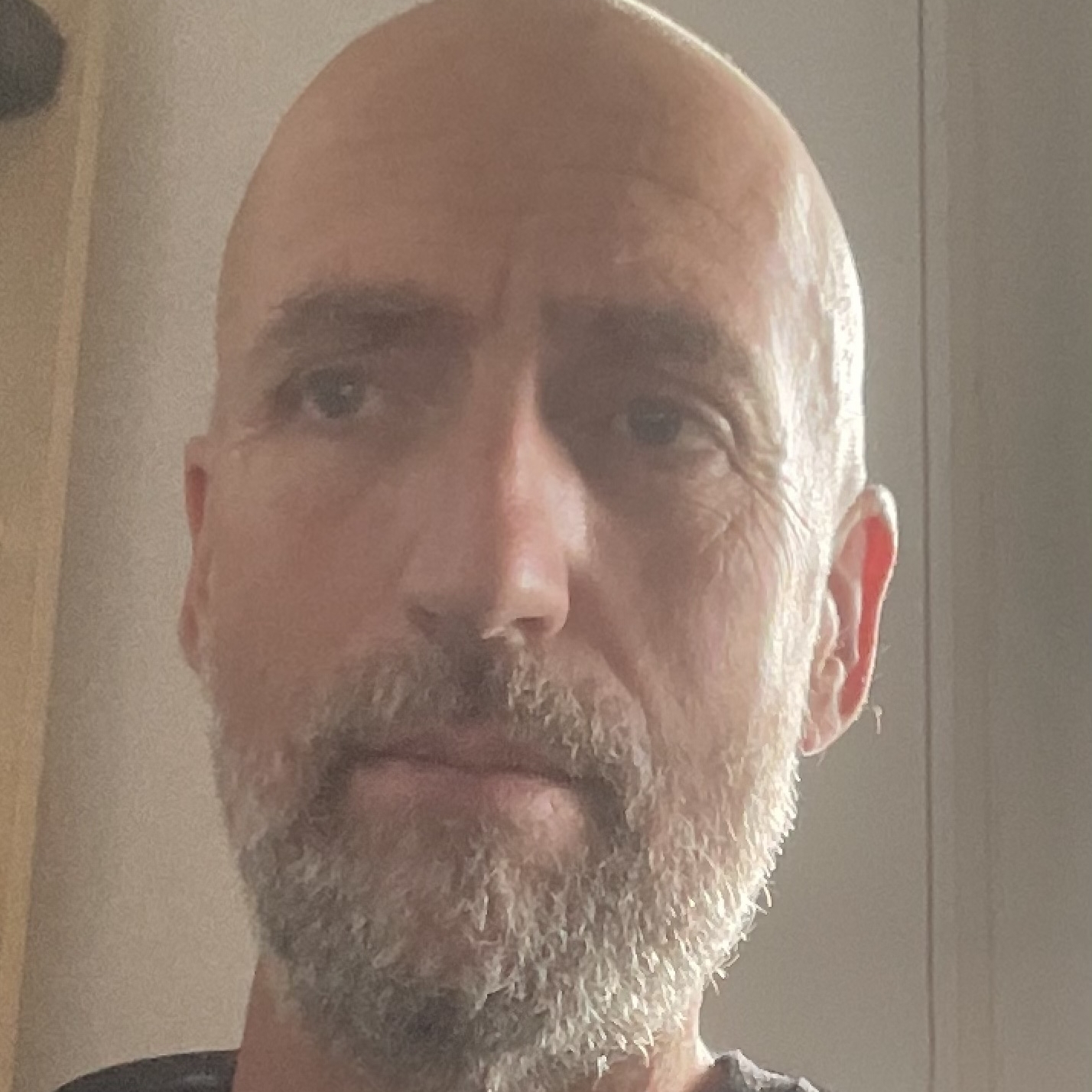
Jean-François Dufayard
SouthGreen | Montpellier
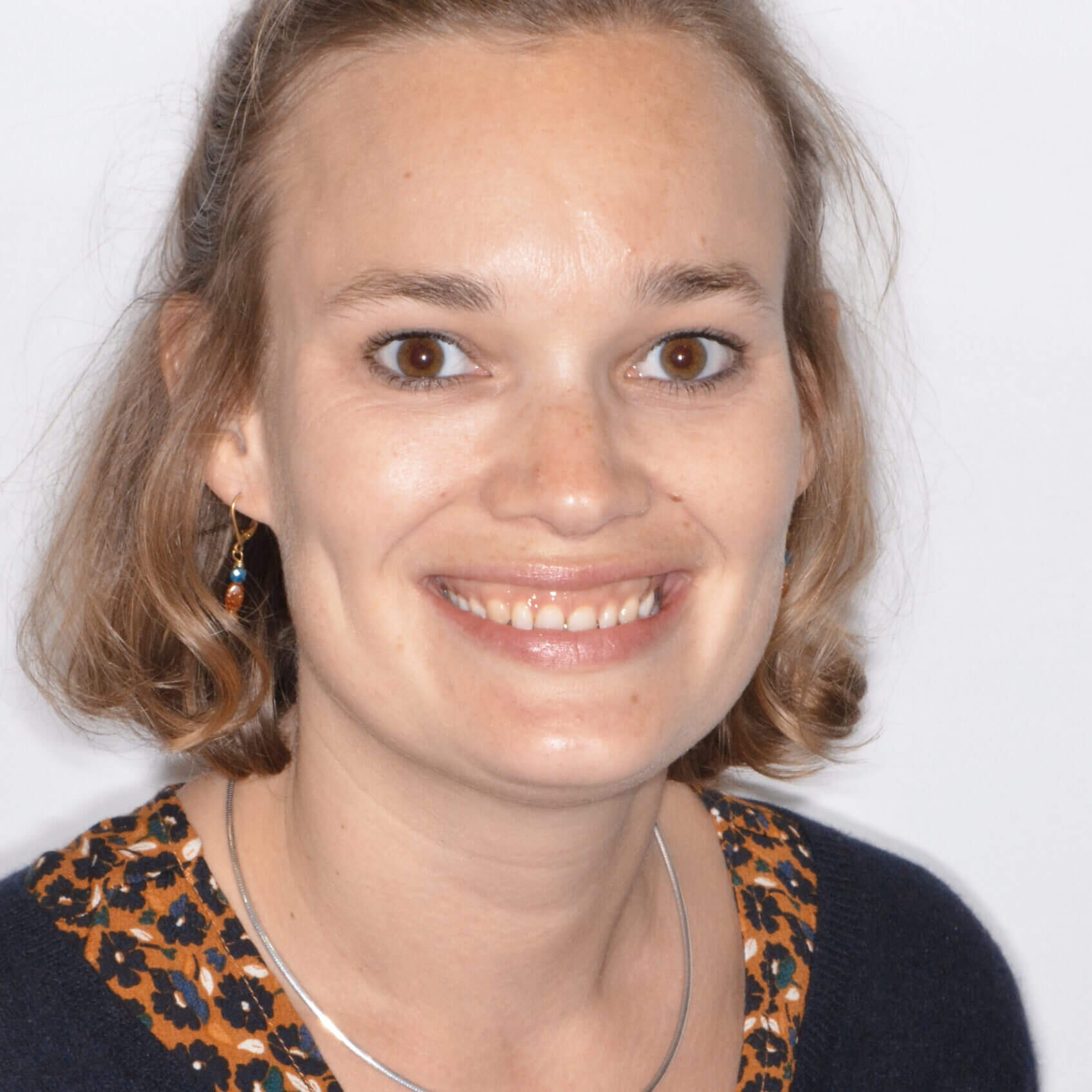
Juliette Dumont
IFB-core siège | Villejuif

Quentin Duvert
Curie Bioinfo | INSERM

Clara Emery
ABiMS | Roscoff
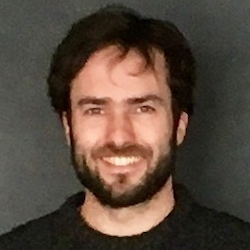
Alban Gaignard
BiRD | Nantes

Christine Gaspin
Genotoul Bioinfo | Toulouse

Grégory Gimenez
Antenne IFB-core | Marseille

Melissa Glasson
IFB-core siège | Villejuif

Nadia Goué
AuBi | Clermont-Ferrand

Jean-François Guillaume
BiRD | Nantes

Jean-Christophe Haessig
BiGEst | Strasbourg

Marc Hanauer
Orphanet | Paris

Frédéric Haziza
Antenne IFB-core | Marseille

Philippe Hupé
Curie Bioinfo | Paris

Lucie Khamvongsa-Charbonnier
Antenne IFB-core | Marseille

Didier Laborie
Genotoul Bioinfo | Toulouse

David Lagorce
Orphanet | Paris

Julie Lao
Institut Pasteur | Paris

Pierre Larmande
SouthGreen | Montpellier

Yvan Le Bras
PNDB | Concarneau
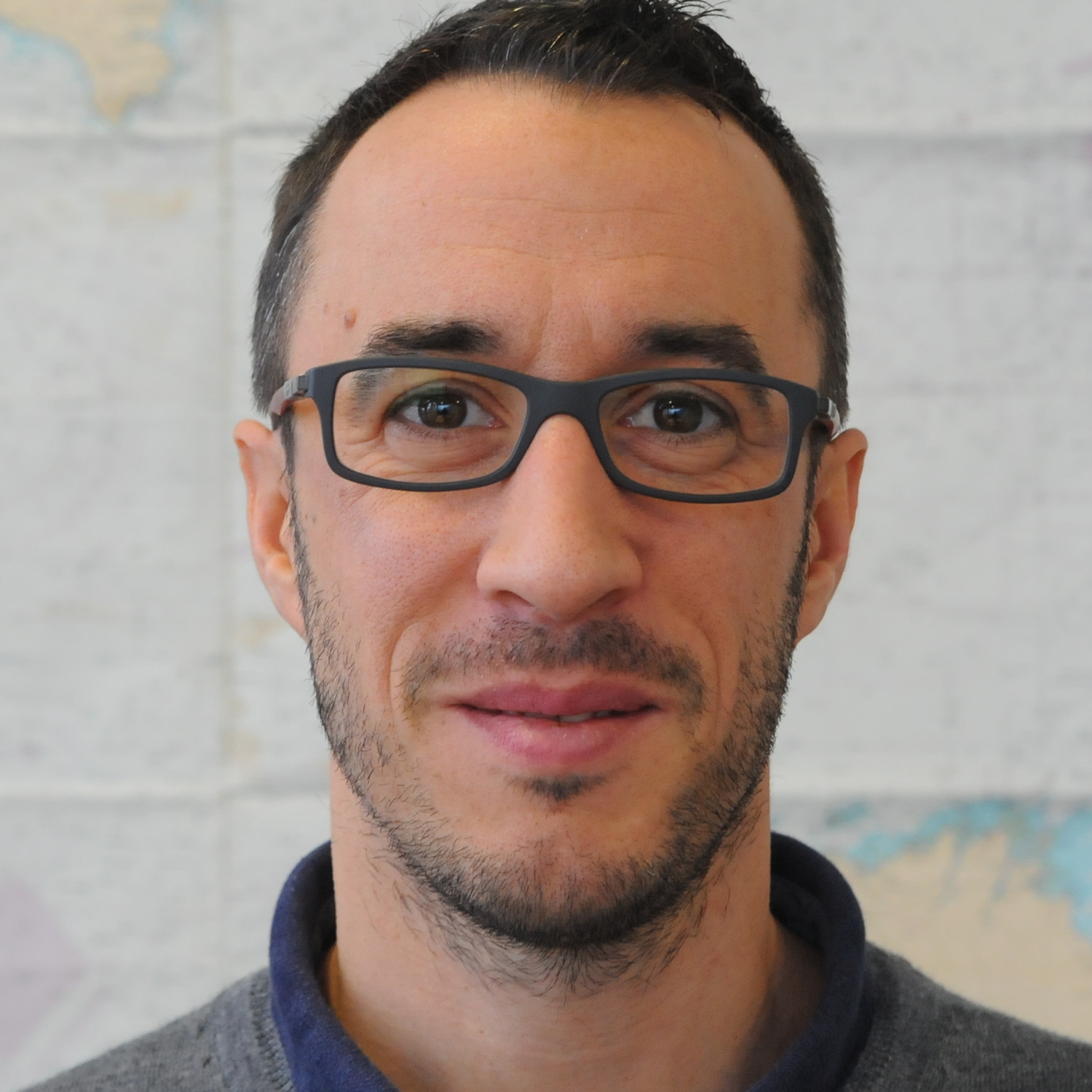
Gildas Le Corguille
ABiMS | Roscoff
Vincent Lefort
LECA | Grenoble

Téo Lemane
MicroScope | Évry

Valentin Loux
Migale | Jouy-en-Josas

Fabien Mareuil
Hub Pasteur | Paris

Romuald Marin
PRABI-AMSB | Lyon

Hervé Menager
Hub Pasteur | Paris

Claudine Médigue
MicroScope | Évry

Imane Messak
iPOP-UP | Paris

Lou Meyssonnier
IFB-core siège | Villejuif

Thomas Mignon
ABiMS | Roscoff

Sylvain Milanesi
ATGC | Montpellier

Hamid Ouahioune
IFB-core siège | Vilejuif

Guy Perrière
PRABI | Lyon

Pierre Peyret
AuBi | Clermont-Ferrand

Nicolas Pons
METAGENOPOLIS | Jouy-en-Josas

Richard Redon
BiRD | Nantes

Claire Rioualen
Antenne IFB-core | Marseille

David Salgado
Antenne IFB-core | Marseille

Olivier Sand
Bilille | Lille

Julien Seiler
BiGEst | Strasbourg

Guillaume Seith
BiGEst | Strasbourg

Clea Siguret
AuBi | Clermont-Ferrand
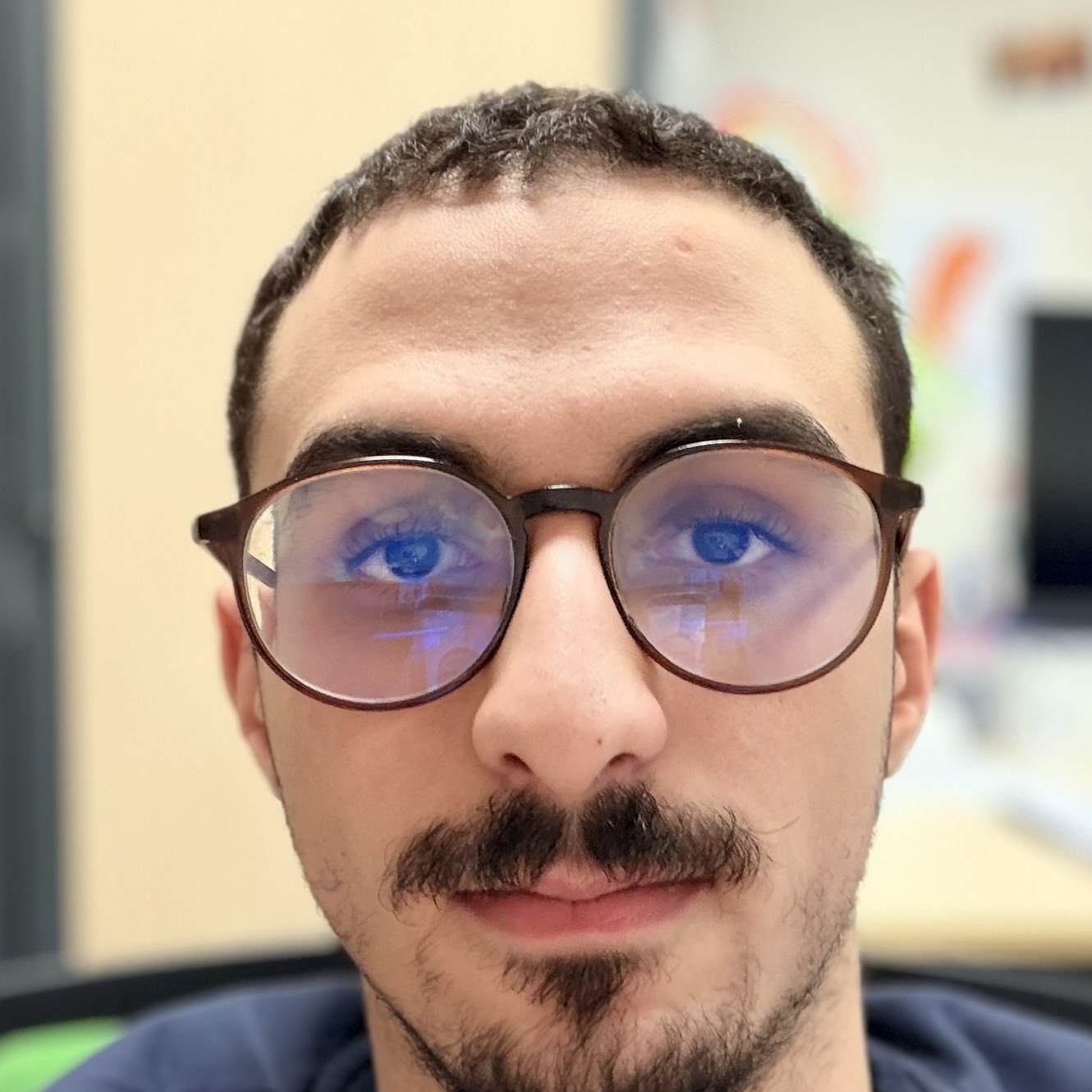
Kamel-Soaid Ferrahi
BiGEst | Strasbourg

Bruno Spartaro
LBBE | Lyon

Raphaël Tackk
Hub Pasteur | Paris

Yves Vandenbrouck
Grenoble
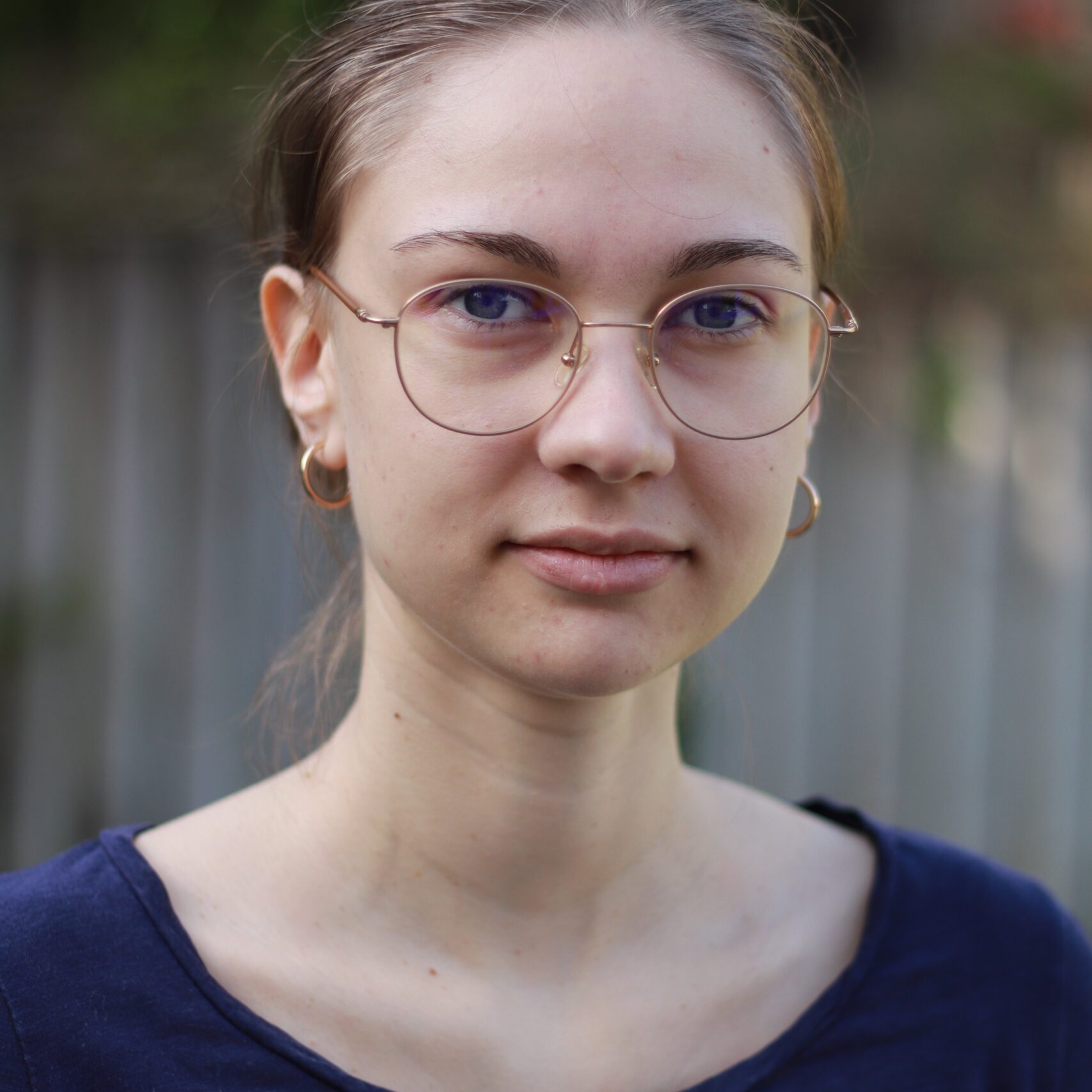
Elora Vigo
BiGEst | Strasbourg

Matis Zouari
PRABI-AMSB | Villeurbanne